
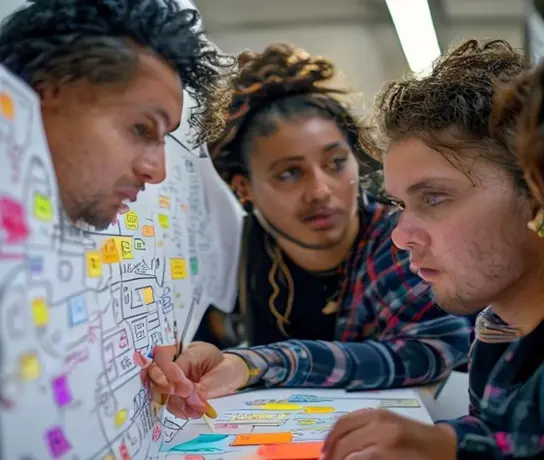
Understanding the Core Traits of Creative People
The hallmark of truly creative individuals lies in a blend of intrinsic characteristics and developed skills. These traits often manifest early and, when nurtured, lead to profound impact. Psychological research consistently highlights divergent thinking as a primary cognitive process. This allows creative minds to explore multiple solutions for a problem, rather than just the most obvious one. It’s about generating a wide array of possibilities. Beyond divergent thought, a deep curiosity drives exploration. They question assumptions, delve into unknowns, and often possess an insatiable desire for learning. This curiosity isn’t passive; it’s an active pursuit of understanding. Resilience is another critical trait. The path of innovation is rarely smooth, fraught with setbacks and failures. creative minds demonstrate remarkable persistence, viewing obstacles as learning opportunities rather than insurmountable barriers.Cultivating Environments for creative minds
While some traits are inherent, the environment plays a crucial role in fostering and sustaining creativity. Educational institutions and workplaces must consciously design spaces and cultures that allow creative potential to flourish. Psychological safety is paramount. Individuals must feel secure enough to propose unconventional ideas without fear of ridicule or harsh criticism. This freedom to experiment and fail openly is a cornerstone of innovation. Providing opportunities for interdisciplinary collaboration also accelerates creative output. When diverse perspectives converge, novel connections often emerge, leading to breakthroughs that isolated efforts might miss. Cross-pollination of ideas is essential. As reported by leading educational think tanks, structured freedom, where individuals have autonomy within broad guidelines, consistently yields higher creative engagement than rigid, micromanaged frameworks. This balance empowers individuals while providing direction.| Creative Trait | Impact on Innovation | Nurturing Strategy |
|---|---|---|
| Divergent Thinking | Generates multiple unique solutions | Brainstorming sessions, ‘what-if’ scenarios |
| Curiosity | Drives exploration and problem identification | Open-ended projects, access to diverse resources |
| Resilience | Overcomes setbacks, sustains effort | Constructive feedback, celebrating learning from failure |
| Cognitive Flexibility | Adapts to new information, shifts perspectives | Exposure to different fields, diverse team projects |
- Encourage Risk-Taking: Create a culture where experimentation is valued, and mistakes are seen as learning opportunities.
- Foster Autonomy: Provide individuals with choice and control over their projects and methods.
- Promote Diverse Input: Expose individuals to varied ideas, cultures, and disciplines to broaden perspectives.
- Allocate Unstructured Time: Allow for periods of reflection, ideation, and spontaneous collaboration.
- Provide Constructive Feedback: Offer guidance that supports growth without stifling originality.
Creative People explained: Related guides: career training options and more career paths. For official outlook data, see Bureau of Labor Statistics Outlook.
Daily Habits That Compound Creativity
Write morning pages, capture ideas on walks, and finish one small piece weekly. makers protect deep-work hours by batching messages and meetings into tight windows.
Feedback Loops Without Burnout
Share drafts with two trusted peers every Friday and log one lesson per review. Creative people improve fastest when critique targets the work, never personal worth.
Monetizing Creative Strengths
Package skills into commissions, templates, or workshops clients already buy. Price by value delivered, publish rates openly, and raise them each year as demand grows.
Tools That Support Creative Work
Morning pages apps, focus timers, and portfolio sites form a lean toolkit for makers at any level. Pick one tool per need and master it before adding more, since shelfware drains budgets and attention alike.
Join a local makers group or online critique circle to stay accountable through slow seasons. Shared deadlines and honest feedback lift output quality faster than solo grinding ever does.
Further Reading on This Site
Verdict: Ship Weekly
For creative people growth, finish and share one piece weekly. Visible creative people attract better briefs.
What is creative people?
Creative People is a practical path teaching job-ready skills through hands-on programs. It helps learners qualify faster with clear costs and timelines.
Who should choose creative people?
Career changers, graduates, and adults seeking stable work benefit most. Compare schools, costs, and placement rates before enrolling.
How long does creative people take?
Most options take months to two years. Check catalogs for duration, tuition, and certificates to pick the best fit.




More Stories
Your Ultimate Guide to Mastering Skills Based Jobs
The Ultimate Guide to Powerful Occupational Training for Modern Families
How Much Is Vocational School? Discover the Remarkable Value Behind Modern Vocational Education