
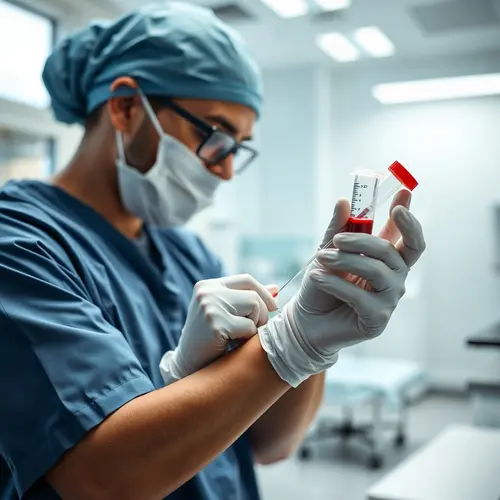
Phlebotomy career training equips you with the technical skills, safety protocols, and clinical knowledge needed to draw blood and collect laboratory specimens professionally. If you’re considering this healthcare career path, understanding the training requirements, certification process, and job outlook will help you make an informed decision about whether phlebotomy is right for you.
What Is Phlebotomy Career Training?
Phlebotomy career training is a focused educational program designed to prepare individuals for entry-level positions as phlebotomists in hospitals, laboratories, clinics, and other healthcare settings. The training covers both theoretical knowledge and hands-on practice in venipuncture, specimen collection, and laboratory safety standards.
These programs typically last between 4 to 8 weeks for certificate courses, though some institutions offer longer diploma programs spanning 6 to 12 months. The curriculum balances classroom instruction with supervised clinical practice to ensure competency before graduation.
Core Components of Phlebotomy Career Training Programs
Effective phlebotomy career training covers several essential areas that prepare you for real-world healthcare environments:
Venipuncture and Blood Collection Techniques
This is the technical foundation of phlebotomy work. Training covers proper needle insertion angles, vein identification, tourniquet application, and collection procedures for different specimen types. You’ll learn to work with various collection systems including vacuum tubes, butterfly needles, and microcollection devices.
Hands-on practice is non-negotiable here. Most accredited programs require students to successfully perform dozens of successful venipunctures under supervision before certification eligibility.
Safety and Infection Control Protocols
Healthcare safety directly protects both you and patients. Training emphasizes OSHA bloodborne pathogen standards, proper Personal Protective Equipment (PPE) use, sharps safety, and disposal procedures. You’ll learn how to prevent needlestick injuries—a critical concern in phlebotomy work.
According to guidelines from the Centers for Disease Control and Prevention (CDC), understanding exposure control plans and post-exposure procedures is mandatory for anyone handling blood specimens.
Laboratory Science Fundamentals
You need to understand why proper specimen collection matters. Training covers basic anatomy and physiology, how different collection tubes work, specimen requirements for various tests, and proper handling to prevent specimen rejection or misidentification.
This knowledge prevents costly laboratory errors and ensures patients receive accurate test results.
Patient Communication and Customer Service
Many patients feel anxious during blood draws. Training teaches you how to communicate calmly, explain procedures, address patient concerns, and handle difficult situations professionally. These soft skills directly impact patient satisfaction and your workplace success.
Certification and Credential Requirements
| Certification Body | Credential | Experience Required | Exam Format |
|---|---|---|---|
| American Society for Clinical Pathology (ASCP) | PBT (Phlebotomy Technician) | 6 months supervised practice or completed program | Multiple choice, 100 questions |
| American Association of Bioanalysts (AAB) | CPT (Certified Phlebotomy Technician) | 1 year direct phlebotomy experience | Multiple choice, 150 questions |
| National Phlebotomy Association (NPA) | NPCT (National Phlebotomy Certification Test) | 50+ documented successful draws | Multiple choice, 100 questions |
While certification requirements vary by state and employer, the ASCP credential is the most widely recognized. Many healthcare facilities require or strongly prefer ASCP certification for hiring. Employers value certified phlebotomists because certification demonstrates you’ve met standardized competency benchmarks.
Training Format Options for Phlebotomy Career Training
You have flexibility in how you pursue phlebotomy career training. Different formats suit different lifestyles and learning preferences:
- In-person classroom programs: Traditional format with lecture, lab work, and supervised clinical rotations at healthcare facilities. Best for hands-on learners who benefit from direct instructor feedback.
- Hybrid programs: Online theory components combined with in-person lab and clinical practice. Allows flexibility while ensuring adequate hands-on training.
- Community college programs: Longer programs (6-12 months) offering more comprehensive education and potential college credit toward related healthcare degrees.
- Hospital-based training: Some healthcare systems offer in-house training for newly hired employees, combining classroom instruction with immediate workplace experience.
Essential Skills You’ll Develop
Beyond the technical bloodwork aspect, quality phlebotomy career training builds professional competencies including attention to detail, time management, and physical stamina. You’ll spend hours on your feet, sometimes in high-pressure emergency department environments.
Problem-solving abilities matter too. Difficult venipuncture cases, patient complications, and equipment issues require quick thinking and proper escalation to supervisory staff.
Mental resilience is underrated but important. You’ll collect blood from pediatric patients, elderly patients with fragile veins, and patients who faint during procedures. Training prepares you psychologically for these situations.
Real-World Scenario: Why Phlebotomy Career Training Matters
Consider a hypothetical situation: A phlebotomist without comprehensive training encounters a patient with a hematoma from a previous draw. Without proper assessment skills, they might attempt another draw in the same area, causing patient harm and creating liability. Trained phlebotomists understand to use alternative sites, document the incident properly, and notify nursing staff—preventing complications and protecting patient safety.
This example underscores why thorough phlebotomy career training isn’t just credential-chasing—it’s foundational professional practice.
Job Outlook and Career Advancement
The Bureau of Labor Statistics reports steady demand for phlebotomists, with positions available across diverse healthcare settings. Entry-level phlebotomists typically earn competitive hourly wages with benefits including health insurance and continuing education support.
After gaining experience, you can advance into supervisory roles, train new phlebotomists, or transition into related laboratory careers. Some phlebotomists pursue additional certification in areas like EKG technology or clinical laboratory work.
Choosing the Right Phlebotomy Career Training Program
Not all training programs are equally rigorous. Look for programs accredited by the Commission on Accreditation of Allied Health Education Programs (CAAHEP) or equivalent bodies. Accreditation indicates the curriculum meets industry standards for content and hands-on experience.
Interview program graduates about their success rates on certification exams. Ask about the clinical rotation sites—are they actual healthcare facilities where you’ll practice on real patients? Verify that instructors are certified phlebotomists with current clinical experience, not just academic credentials.
Compare tuition costs against job placement rates and starting wages. An inexpensive program that leaves you unprepared for certification is more expensive long-term than investing in quality training upfront.
Phlebotomy Career Training Myth: You Can Skip Formal Training
Some individuals believe on-the-job training alone suffices for phlebotomy work. This approach is risky and increasingly rare in professional healthcare settings. Without formal phlebotomy career training, you lack standardized safety knowledge, lack proper venipuncture technique foundation, and face difficulty securing employment at reputable facilities.
Most employers require either certification or completion of a recognized training program. Formal training protects you professionally and legally.
Getting Started With Phlebotomy Career Training
To begin your phlebotomy journey, start by researching accredited programs in your area or available online. Attend open houses or information sessions if possible. Clarify prerequisite requirements—some programs require high school diplomas or GED equivalency, while others have minimal entry barriers.
Confirm program costs, payment options, and financial aid availability. Many programs qualify for federal student aid if offered through accredited institutions. Some employers offer tuition reimbursement for pursuing phlebotomy career training, so check with your current healthcare employer if applicable.
Once enrolled, approach your phlebotomy career training seriously. Attend every session, practice regularly in lab settings, and use clinical rotations to build competence and confidence. Your training period sets the trajectory for your entire phlebotomy career—invest the effort now, and you’ll enter the workforce as a prepared, confident professional.



More Stories
5 Critical Factors to Vetting a Free Training Program
The Complete Guide to a Medical Assistant Career: What You Need to Know
The Ultimate Guide to Career Training Academy Success