
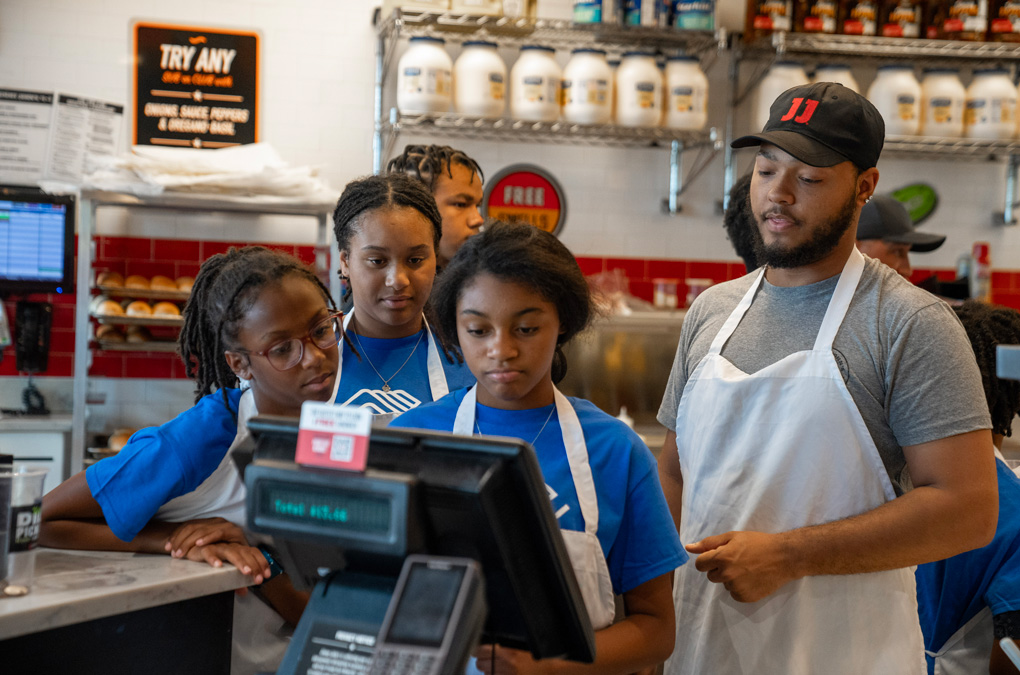
Interview Tips Teens explained: Your resume is ready. You’ve heard back from your potential future employer and set a date. Now what? Here are some job interview tips to help you knock your interview out of the park.
Boys & Girls Clubs of America
August 22, 2024
Related guides: career training options and more career paths. For official outlook data, see Bureau of Labor Statistics Outlook.
What is interview tips teens?
Interview Tips Teens is a practical path teaching job-ready skills through hands-on programs. It helps learners qualify faster with clear costs and timelines.
Who should choose interview tips teens?
Career changers, graduates, and adults seeking stable work benefit most. Compare schools, costs, and placement rates before enrolling.
How long does interview tips teens take?
Most options take months to two years. Check catalogs for duration, tuition, and certificates to pick the best fit.
Before the Interview
Research the employer, the role, and the person who will interview you. Read the job description carefully and identify the three qualities the employer mentions most. Prepare one example for each quality from school, volunteering, sport, or a part-time job. You do not need a long work history to show reliability, teamwork, or initiative.
Write down the time, address, and contact number the day before. Plan your route and arrive ten to fifteen minutes early. If the interview is online, test your camera, microphone, and internet connection in the same room you will use.
Answering Common First-Job Questions
Expect questions such as why you want the job, what you know about the company, and how you handle a challenge. Answer in a few clear sentences, then stop. A short, specific answer sounds more confident than a long one that circles the point.
When asked about weakness, choose a real but manageable example and describe what you are doing to improve. Avoid claiming that you are a perfectionist, which sounds rehearsed. For questions about availability, be honest about school commitments and show willingness to be flexible.
What to Wear and Bring
Choose clean, comfortable clothes that suit the workplace. If you are unsure, ask the person who scheduled the interview. Bring a copy of your resume, a pen, and a notebook. For an online interview, keep these items beside you and remove distractions from the background.
Turn off your phone before you enter the building or join the call. Small signs of preparation suggest that you will treat the job with the same care.
Body Language and Tone
Greet the interviewer by name, make eye contact, and offer a firm but brief handshake if it is appropriate. Sit upright, keep your hands visible, and listen to the full question before answering. Speak a little more slowly than usual, especially when you are nervous.
It is fine to pause and think. A thoughtful answer is better than a rushed one. If you do not understand a question, ask for clarification rather than guessing.
After the Interview
Send a short thank-you message within a day. Mention something specific from the conversation and restate your interest in the role. Keep it brief and professional; a few sentences are enough.
If you do not hear back within the timeline the employer gave you, send one polite follow-up. Then continue applying elsewhere. Rejection is common and rarely personal, and each interview makes the next one easier.
Practising With a Friend
Ask a friend or family member to ask you five common questions and give honest feedback. Record yourself once and watch for filler words, slouching, or answers that drift. Practise the first thirty seconds until your introduction feels natural.
Confidence comes from repetition, not from memorising a script. The goal is to sound like yourself on a good day, prepared and calm, rather than like a candidate reciting an essay.
Turning Preparation Into a Decision
Write down what you want from the next step: a specific skill, a credential, a salary range, or a type of work. Compare each option against those criteria instead of against a general ranking. Ask people who have already completed the path what surprised them, what they would do differently, and what they wish they had known before starting.
Set a decision date and gather only the information that can change your choice. Endless research feels productive but often delays action. A short list, a clear budget, and one honest conversation with someone in the field will usually tell you more than another brochure.
Keep a simple record of deadlines, documents, and contacts. Review it once a week so nothing depends on memory. When the decision is made, commit to the first small step and give yourself permission to adjust the plan as you learn more.
Finally, remember that no single choice guarantees an outcome. The habits you build while preparing, such as asking good questions, meeting deadlines, and reflecting on feedback, matter just as much as the institution you choose. Choose the environment where you will actually do the work, and then begin.
A Final Checklist
Confirm the requirements, the cost, and the timeline before you commit. Make a list of the documents you need, note who will provide each one, and set reminders a week before every deadline. Ask for feedback on your written materials from someone who knows the field.
Build a small network by attending events, joining professional groups, and contacting alumni. A short, specific message that mentions a shared class or interest is more likely to receive a reply than a generic request. Keep track of who you spoke with and follow up when you have progress to share.
Protect your time and energy during the process. Sleep, exercise, and a realistic schedule improve both interviews and applications. If a plan stops working, revise it instead of abandoning it, and ask for help early rather than after a deadline has passed.
Above all, measure progress by the actions you control: applications sent, conversations held, and skills practised. The outcome will follow from consistent effort, not from a single perfect decision.




More Stories
Interview Preparation: 7 Steps That Win Job Offers
Tuck Interview Guide: Prepare and Win
M4s should be prepared for these 3 residency interview questions